
A Practical Framework for Evaluating Online Casinos in Canada
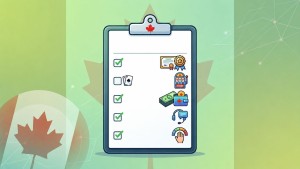
Choosing an online casino in Canada should begin with evaluation, not advertising. A polished homepage, a large welcome offer, or a familiar brand name may attract attention, but none of those elements says much about how a platform actually performs. A better approach is to use a consistent framework and judge each operator across a short list of practical criteria.
This kind of structured review resembles any sound consumer-comparison process: define what matters, check the evidence, and avoid reacting too strongly to surface-level presentation. Even broader cultural discussions around online casino appeal, such as what makes online casinos so popular, tend to show that visibility and entertainment value are only part of the picture. For readers trying to evaluate a site properly, operational quality matters more.
1. Regulatory licensing
The first evaluation point is licensing. In the Canadian market, “good” begins with visible licensing information, clear operating terms, and enough transparency that a reader can identify who runs the site. The casino should name its operator, list the relevant license or regulatory authority, and provide accessible terms and conditions.
Licensing alone does not guarantee a strong user experience, but it establishes a minimum standard of oversight. A properly regulated operator is generally more likely to have documented rules around verification, complaints, withdrawal procedures, and fair-play obligations. If ownership details are vague or licensing information is hard to find, that should count against the site immediately.
2. Game library breadth
A broad game library matters, but not simply because large numbers look impressive. A useful catalog should show variety across major categories: slots, table games, live dealer content, and ideally a range of software providers. A site with hundreds of similar titles but little depth beyond slots may appear extensive while offering limited practical choice.
In the Canadian market, a “good” library usually has three qualities:
Variety
Players should be able to move across formats without feeling confined to one section.
Provider diversity
A mix of game studios often suggests a more balanced content strategy.
Usability
Search tools, filters, and clean categories make the library functional rather than merely large.
This is also where presentation can distort evaluation. Popular themes may create an impression of originality even when underlying variety is narrow. Entertainment-focused examples, such as discussions of movies which would make for excellent slots, highlight how strongly branding and familiar themes shape perception. But from an evaluation standpoint, readers should still ask whether the broader library is diverse and well organized.
3. Payment options
Payment methods are one of the most practical dimensions in any casino review. Depositing is usually straightforward; the more important question is how clearly the site handles withdrawals. In Canada, “good” payment support means more than a long list of logos in the cashier section.
A strong payment setup should include:
- Methods commonly available to Canadian users
- Clear deposit and withdrawal limits
- Published withdrawal timelines
- Upfront disclosure of fees or processing restrictions
The best operators make this information easy to find before a user commits funds. A site that is transparent about payouts, verification steps, and delays is easier to trust than one that buries the details in multiple terms pages.
4. Customer support
Customer support is often overlooked until a problem appears. That is precisely why it belongs in an evaluation framework. “Good” support in the Canadian market should be visible, accessible, and responsive. Ideally, a casino offers more than one contact method, such as live chat and email, and clearly states when those services are available.
The support test is not only about response speed. It is also about whether policies are explained clearly when users ask about withdrawals, verification, account restrictions, or technical issues. A well-maintained help section is often a positive sign. A vague FAQ and hard-to-find contact path are not.
Readers should also consider whether the site communicates with consistency. A polished front end can coexist with weak service infrastructure. That is why broader theme-driven appeal — similar to conversations about TV shows which would make excellent slots — should not distract from practical service quality.
5. Responsible-gambling features
Responsible-gambling tools are a core part of evaluation, not an optional extra. In Canada, “good” means that meaningful controls are available and easy to activate. These may include deposit limits, session reminders, cooling-off periods, temporary account breaks, or self-exclusion tools.
The key factor is accessibility. Tools that exist only in fine print are less useful than controls built directly into account settings. Responsible-gambling policies should also be explained in plain language and connected to outside support resources where appropriate.
For broader consumer-protection context, the Government of Canada Office of Consumer Affairs is a useful external reference.
Where to compare current operators
A framework helps readers evaluate quality, but many will still want to see how active operators compare in practice. Publisher rankings and roundup articles can be a useful starting point, provided they are treated as reference material rather than final authority. Readers looking for current examples of how Canadian-facing operators are being compared can consult a recent guide from thestar.com and then apply the five-part framework above to any site on the list.
That final step matters most. A useful online-casino evaluation should move beyond presentation and toward observable standards: licensing, game breadth, payments, support, and responsible-gambling tools. Once those dimensions are reviewed consistently, readers are in a stronger position to assess Canadian operators on substance rather than appearance.
Read More →